
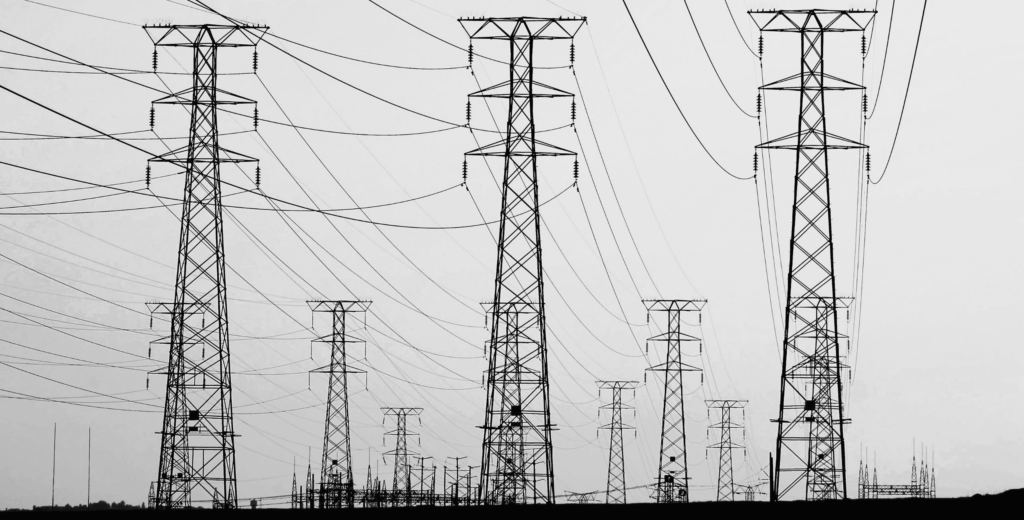
The power system has changed a great deal in recent years. Renewable energy is being built out rapidly, but its nature brings a new challenge along with it. Electricity is no longer available evenly, exactly when it’s needed.
The topic is discussed by MinersLoop experts Pete Karjalainen (COO) and Mikko Rantanen (Technical Operations Manager).
Sometimes there’s too much electricity, sometimes too little. This imbalance is one of the central problems of today’s energy system, and this is exactly where flexible computing offers a solution.
What does flexible computing mean?
Put simply, it means that electricity consumption isn’t constant — it’s adjusted according to the situation.
When plenty of electricity is available, consumption can be increased. When electricity is scarce, consumption is reduced or can even be stopped entirely.
“We help the power grid stay in balance, and we’re able to raise or lower our load depending on what the grid needs,” Pete says.
Flexible computing solves the power system’s imbalance
Traditionally, the power system has operated on steady production. Power plants produce electricity predictably and consumption adapts to that.
The growth of renewable energy has changed the situation. Wind and solar power vary with the weather, which means there are times when there’s too much electricity and times when there isn’t enough.
Flexible computing acts as a balancing factor here. It adapts consumption to the situation.
In practice, this means that when electricity is abundant, a data center can ramp up to full capacity and make efficient use of the energy. If electricity is scarce, operations can be shut down entirely, freeing up power for other uses.
“If there’s a lot of electricity, we use as much as we can. If there’s little, we don’t use a single kilowatt. The whole facility is shut down,” Pete says.
Responsiveness is essential. Consumption can be adjusted quickly as needed.
The role of Bitcoin mining in flexible computing
Bitcoin mining serves as one example of flexible computing, but it isn’t the core of the phenomenon.
Its advantage lies in the fact that it can be scaled up or down quickly without critical services suffering. Unlike, for example, hospital systems or other essential services, mining can be paused without any impact on society’s functioning.
This makes it an exceptionally flexible electrical load.
Impact on the energy market
Flexible computing doesn’t just affect the power grid technically. It also has a direct impact on the market.
One key phenomenon in recent years has been negative electricity prices. This means there’s so much electricity that producing it yields no return, which in turn reduces willingness to invest in new power plants.
Flexible computing acts as the last user in line here:
- it consumes electricity when there’s a surplus
- and helps keep the price at a reasonable level
“We’re kind of that last step that uses electricity when there’s too much of it, so the price doesn’t drop into negative territory,” Pete explains.
This makes energy investments more predictable and more profitable.
What benefit does this bring to society?
The benefits show up on several levels:
- the power grid stays more stable
- more renewable energy can be added
- large swings in electricity prices are reduced
- more investment is generated
Ultimately this also shows up for the ordinary consumer. The energy system operates more reliably, and over the long term costs stay better under control.
Flexible computing as part of the energy system of the future
If flexible computing becomes more widespread, the energy system will change significantly over the next 5–10 years. It enables:
- a larger share of renewable energy
- more flexible consumption
- a better balance between production and use
In practice, this means an energy system that is no longer based solely on regulating production. Managing consumption takes on an increasingly important role.
One thing worth remembering
Flexible computing is not a waste of energy. It’s a way of using energy when it’s available, and not using it when it’s needed elsewhere.
This is exactly what makes it a central part of the energy system of the future.
Roni Karjalainen
CEO